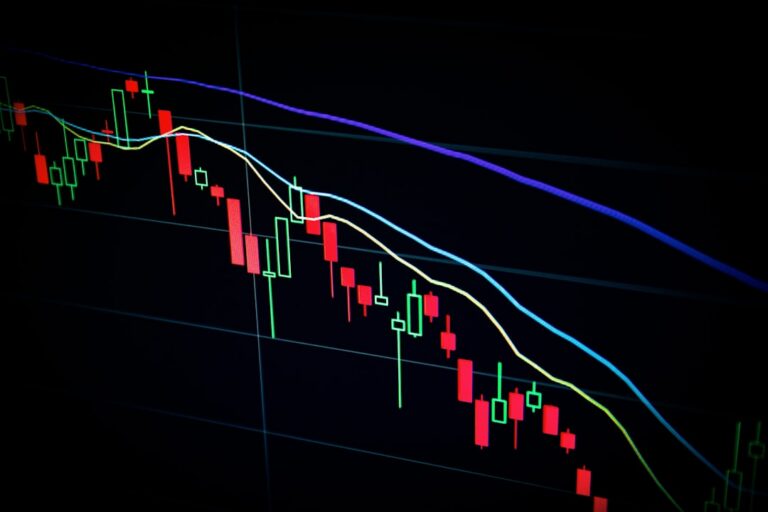
A trader watches their EUR/USD position suddenly plunge 120 pips in under three minutes. The culprit? An unexpected Non-Farm Payrolls release that caught them unprepared. This scenario plays out daily in forex markets, where scheduled economic events drive approximately 70% of intraday volatility. Economic calendars are the essential tool that transforms these market-moving moments from unpredictable shocks into manageable events. An economic calendar is a comprehensive schedule of upcoming economic data releases, central bank meetings, and key indicators that influence currency valuations. By understanding when these events occur and how to interpret them, traders can anticipate volatility spikes, adjust position sizes, and make informed decisions about trade timing. This guide shows you how to use economic calendars effectively to navigate market volatility and understand the events that drive price action.
What Economic Calendars Track and Why It Matters

Economic calendars function as the financial market’s advance warning system, scheduling releases that routinely trigger price swings of 50-150 pips within minutes. These tools aggregate upcoming data releases, central bank decisions, and policy announcements from major economies worldwide, giving traders a roadmap of potential volatility catalysts.
Core Economic Data Releases
Economic calendars track fundamental indicators that reveal the health of national economies. GDP reports measure overall economic growth, employment figures like the U.S. Non-Farm Payrolls gauge labor market strength, and inflation data (CPI, PPI) signals purchasing power changes. For forex traders monitoring currency pairs like EUR/USD or GBP/JPY, these releases from multiple countries appear side-by-side, making cross-border economic comparison straightforward.
Most platforms categorize events by expected market impact—high, medium, or low—based on historical volatility patterns. High-impact releases consistently move markets because they influence central bank policy expectations. When U.S. inflation exceeds forecasts, traders immediately reprice Federal Reserve rate probabilities, driving dollar strength or weakness across all pairs.
Central Bank Events and Policy Announcements
Interest rate decisions from the Federal Reserve, European Central Bank, and Bank of England represent tier-1 calendar events. These decisions directly affect currency valuations since higher rates typically attract foreign capital, strengthening the domestic currency. Research indicates approximately 70% of intraday forex volatility stems from scheduled economic releases and central bank communications.
Modern economic calendars have expanded beyond traditional data releases. They now incorporate central bank speeches, policy meeting minutes, and geopolitical events that influence market sentiment. A hawkish comment from a Fed governor can move markets as forcefully as official data, making these calendar entries essential for traders managing risk around scheduled events. The calendar transforms from a simple schedule into a volatility forecast tool.
Understanding Impact Levels and Event Classification

Economic calendars classify events into three tiers based on their historical ability to generate market volatility. High-impact events routinely trigger 50-150 pip movements within five minutes of release, while medium-impact announcements may cause 20-50 pip swings, and low-impact data typically produces minimal directional changes. This classification system helps traders determine which events warrant position adjustments and which can be safely monitored without immediate action.
High-Impact Events That Move Markets
The most consequential releases share common characteristics: they directly influence monetary policy or reveal unexpected shifts in economic conditions. These tier-1 events include:
- Non-Farm Payrolls (NFP): Released on the first Friday of each month, employment data drives immediate speculation about Federal Reserve policy adjustments
- Consumer Price Index (CPI): Inflation readings that determine central bank rate trajectories
- Gross Domestic Product (GDP): Quarterly growth figures that confirm or contradict prevailing economic narratives
- Retail Sales: Monthly consumer spending data that accounts for roughly 70% of economic activity in developed nations
High-impact events create trading opportunities but also carry substantial risk. Currency pairs can gap through stop-loss orders, and spreads often widen dramatically during the first 60 seconds following a release.
Why Central Bank Decisions Dominate
Central bank rate announcements represent the apex of market-moving events. When the Federal Reserve, European Central Bank, or Bank of England adjusts interest rates or signals policy shifts, the effects ripple across global markets. Federal Reserve decisions alone impact over 88% of major currency pairs, as the U.S. dollar serves as the base or quote currency in most forex transactions.
Rate decisions trigger volatility spikes exceeding 100 pips because they directly alter the relative attractiveness of holding one currency versus another. A surprise 25-basis-point hike can instantly reshape multi-month trading ranges, forcing hedge funds and institutional traders to reposition billions in capital within minutes.
Reading Actual vs. Forecast vs. Previous Data

Every economic calendar presents data in three columns: actual, forecast, and previous. The actual figure represents the newly released data. The forecast shows the consensus estimate from surveyed economists. The previous column displays the last reported value, sometimes revised from its original release.
A Non-Farm Payrolls release might show: Previous 150K, Forecast 180K, Actual 254K. This scenario represents a significant beat—the actual number exceeded expectations by 74K jobs. Currency pairs like EUR/USD can move 100+ pips within minutes when surprises of this magnitude occur.
How Markets Price in Expectations
Markets don’t wait for data releases to react. Institutional traders and algorithms incorporate forecast values into prices hours or days before announcements. If analysts predict the Federal Reserve will raise rates by 25 basis points, currency markets already reflect this probability in current pricing.
This pre-positioning explains why seemingly positive data sometimes triggers counterintuitive price movements. When actual data matches forecasts exactly, traders often close positions and take profits, creating volatility despite the “expected” outcome. The market reaction isn’t about whether data is good or bad—it’s about whether it’s surprising.
The Surprise Factor in Market Reactions
The deviation between actual and forecast figures drives immediate volatility. Traders monitor this surprise index closely because it measures how wrong the consensus was. A GDP report forecasted at 2.1% that prints at 2.8% represents a substantial positive surprise, typically strengthening the domestic currency.
Negative surprises work inversely. If inflation data comes in at 3.2% versus a 2.8% forecast, the currency might initially strengthen on expectations of tighter monetary policy, then reverse if traders interpret it as economic weakness. The previous figure provides context—a rising trend from 2.5% to 2.8% to 3.2% tells a different story than an isolated spike.
Understanding this three-column framework transforms raw numbers into tradeable information. Markets reward those who interpret not just what happened, but how much it deviated from collective expectations.
Leading vs. Lagging Indicators: What They Tell You

Economic indicators fall into two distinct categories based on their timing relative to economic cycles. Leading indicators signal future economic activity before trends materialize, while lagging indicators confirm patterns already in motion. Understanding this distinction shapes how traders position themselves ahead of or in response to market movements.
Leading indicators like the Purchasing Managers’ Index (PMI), consumer confidence surveys, and building permits provide forward-looking insights. When PMI readings exceed 50, they suggest economic expansion before GDP data confirms it. These indicators help traders anticipate central bank policy shifts and currency strength changes weeks or months in advance.
Lagging indicators such as unemployment rates, corporate earnings, and confirmed GDP figures validate trends after they’ve begun. The unemployment rate typically peaks after a recession ends, making it useful for confirming economic recovery rather than predicting it. These indicators reduce false signals but sacrifice early entry opportunities.
| Indicator Type | Examples | Primary Use | Trading Application |
|---|---|---|---|
| Leading | PMI, Consumer Confidence, Building Permits | Anticipate future trends | Position ahead of policy changes |
| Lagging | Unemployment Rate, GDP, CPI | Confirm established trends | Validate existing positions |
| Coincident | Retail Sales, Industrial Production | Track current conditions | Gauge real-time momentum |
Short-term traders favor leading indicators for entry timing, accepting higher false-signal risk. Position traders weight lagging indicators more heavily to confirm macro trends before committing significant capital. The most effective approach combines both: leading indicators identify potential opportunities, while lagging indicators provide confirmation before scaling positions. This dual framework reduces premature entries while maintaining sufficient responsiveness to genuine market shifts.
Modern Economic Calendar Features and Integration

Today’s economic calendars have evolved far beyond simple event listings. Modern platforms offer sophisticated tools that integrate directly into your trading workflow, transforming how you prepare for and react to market-moving announcements.
Platform Integration and Automation
Leading trading platforms now embed economic calendars directly into their interfaces, eliminating the need to switch between windows during critical trading moments. MetaTrader 4, MetaTrader 5, TradingView, and cTrader all offer native calendar integrations that display upcoming events alongside your charts and positions.
These integrations enable automated responses to calendar events:
- Auto-close positions before high-impact releases to protect against volatility spikes
- Pause automated trading systems during central bank announcements
- Set pending orders timed to activate after specific data releases
- Adjust stop-loss levels automatically when major events approach
Real-time push notifications ensure you never miss critical announcements, even away from your desk. Configure alerts for specific impact levels—receive notifications only for high-impact events affecting your active currency pairs, or monitor medium-impact releases for swing trading opportunities.
Customization for Your Trading Focus
Effective calendar use requires filtering out noise. Modern calendars let you customize views based on:
- Geographic focus: Display only events from countries whose currencies you trade
- Impact classification: Filter by high, medium, or low volatility potential
- Event categories: Show only central bank decisions, employment data, or GDP releases
- Time zones: Automatically convert release times to your local timezone
Mobile applications from providers like Forex Factory, Investing.com, and DailyFX deliver full calendar functionality on smartphones and tablets. Monitor events during your commute, receive alerts during lunch, and review historical impact data from anywhere. This accessibility ensures you maintain market awareness regardless of location, critical when trading 24-hour forex markets across multiple time zones.
Timing Your Trades Around Economic Events

High-impact economic releases can move currency pairs 50-150 pips within five minutes, creating both opportunity and danger for traders. The key is knowing when to engage and when to step aside.
Pre-Event Risk Management
Most experienced traders close or avoid opening positions 15-30 minutes before major announcements like NFP, FOMC decisions, or GDP releases. During this window, liquidity providers pull back, spreads widen dramatically, and price action becomes erratic. A spread that normally sits at 1-2 pips can balloon to 10-20 pips, turning profitable positions into instant losses.
Consider these timing strategies around scheduled releases:
- Early positioning (2-4 hours before): Enter trades based on anticipated outcomes, accepting the risk that actual data may contradict expectations
- Stand aside (30 minutes before to 5 minutes after): Avoid the initial volatility spike and unpredictable price whipsaws
- Wait for confirmation (5-15 minutes after): Enter trades once the initial reaction settles and a directional trend emerges
Flash estimates and preliminary data consistently generate stronger market reactions than final revisions. Markets price in expectations; when preliminary GDP or employment figures deviate from consensus, the impact is immediate. Final revisions, released weeks later, rarely move markets unless the adjustment is substantial.
Post-Release Trading Opportunities
The 15-minute window following high-impact releases often presents the clearest trading opportunities. Initial knee-jerk reactions frequently reverse as traders digest the full report details. For example, a strong NFP headline number might initially push USD higher, but weak wage growth data buried in the report could trigger a reversal.
Watch for these post-release patterns: false breakouts that trap early traders, momentum continuation after the initial 5-minute candle closes, and range-bound consolidation when data meets expectations exactly. Volatility remains elevated for 30-60 minutes, but becomes more tradeable than the chaotic first five minutes.
Practical Application: Building Your Event-Based Trading Routine

Successful traders check their economic calendar before placing any trade, treating it as essential infrastructure rather than optional research. The difference between a trader who loses 80 pips on an unexpected ECB announcement and one who profits from it often comes down to a five-minute calendar review.
Start each week by scanning for tier-1 events—central bank decisions, NFP releases, GDP announcements, and inflation reports. These high-impact releases can move EUR/USD or GBP/USD 100+ pips in minutes, making position sizing critical. If the Federal Reserve announces a rate decision while you’re holding a leveraged USD position, you’re not trading; you’re gambling.
Daily routine steps:
- Review the calendar each morning before market open, noting event times in your local timezone
- Identify which currency pairs will be affected by scheduled releases
- Reduce position sizes or close trades 30-60 minutes before high-impact events
- Set mobile alerts for surprise announcements or schedule changes
Position management matters more than prediction. If US unemployment data drops at 8:30 AM EST and you’re trading USD/JPY, either accept the volatility risk with smaller lot sizes or step aside entirely. Many experienced traders simply avoid holding positions through major releases, reopening after the initial volatility spike settles.
Calendar analysis never stands alone. A bearish technical pattern on GBP/USD becomes far more actionable when a Bank of England rate decision looms the same day. Conversely, strong support levels may prove meaningless if surprise inflation data triggers policy speculation.
Remember that economic calendars show scheduled events, not market reactions. A “better than expected” NFP report doesn’t guarantee USD strength—market positioning, revised previous figures, and Fed policy expectations all influence the actual price movement. The calendar identifies when volatility arrives, not which direction it travels.
Economic calendars transform scheduled data releases from unpredictable surprises into manageable events that traders can prepare for. By understanding what events matter, how to interpret the three-column data format, and when to adjust positions around releases, you gain a critical advantage in navigating forex volatility. However, calendars show timing, not direction—they tell you when markets will move, not where prices will go. Combine calendar awareness with technical analysis, fundamental research, and disciplined risk management to build a comprehensive trading approach. Start incorporating economic calendars into your daily routine today. Check them before placing trades, set alerts for high-impact releases affecting your currency pairs, and practice adjusting position sizes around scheduled events. Understanding market-moving events is fundamental to making informed trading decisions in forex markets. The calendar won’t eliminate risk, but it will ensure you’re never caught completely off guard when those 100-pip moves arrive.